Skip to content
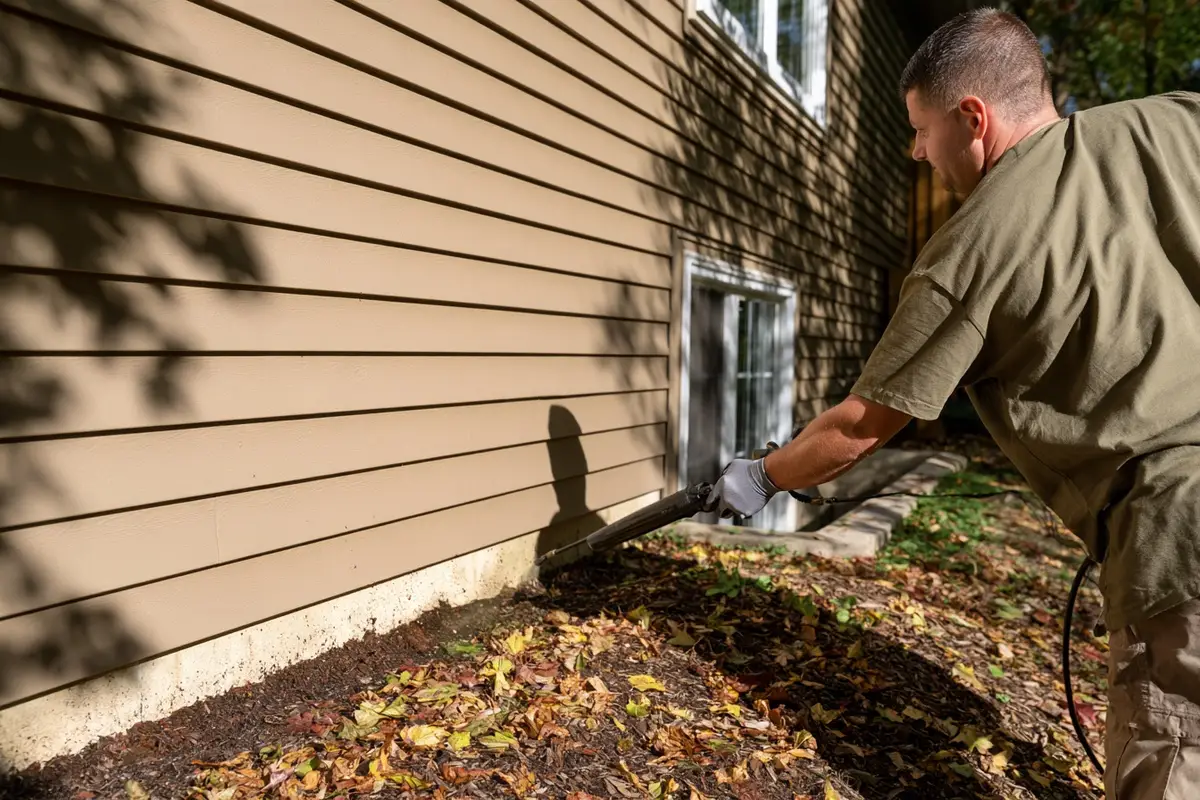
A pest control technician in olive work clothes crouches at the foundation of a brick ranch house, checking the soil line beside the lawn in late fall

Exterminator in Rockford, ILPest control for mice, termites, bed bugs and more

Something's living in your house rent free. Let's fix that.

Mice and rats, termites, bed bugs, roaches, ants, wasps and spiders in Rockford homes and businesses. The work is done under an Illinois structural pest control license, and you get a free quote first.

Free quote, step 1 of 2

What's bugging you?

A licensed exterminator replies with a price. Nothing is booked until you say yes.

Emergency exterminator in Rockford: call or text any time

Most pest problems can wait for a weekday. A few cannot. Call or text us any time, day or night, say what you found and where it is, and send a photo if you can. We will tell you plainly whether it needs someone now or can wait for a cheaper daytime visit.

A stinging nest by a door or a play area

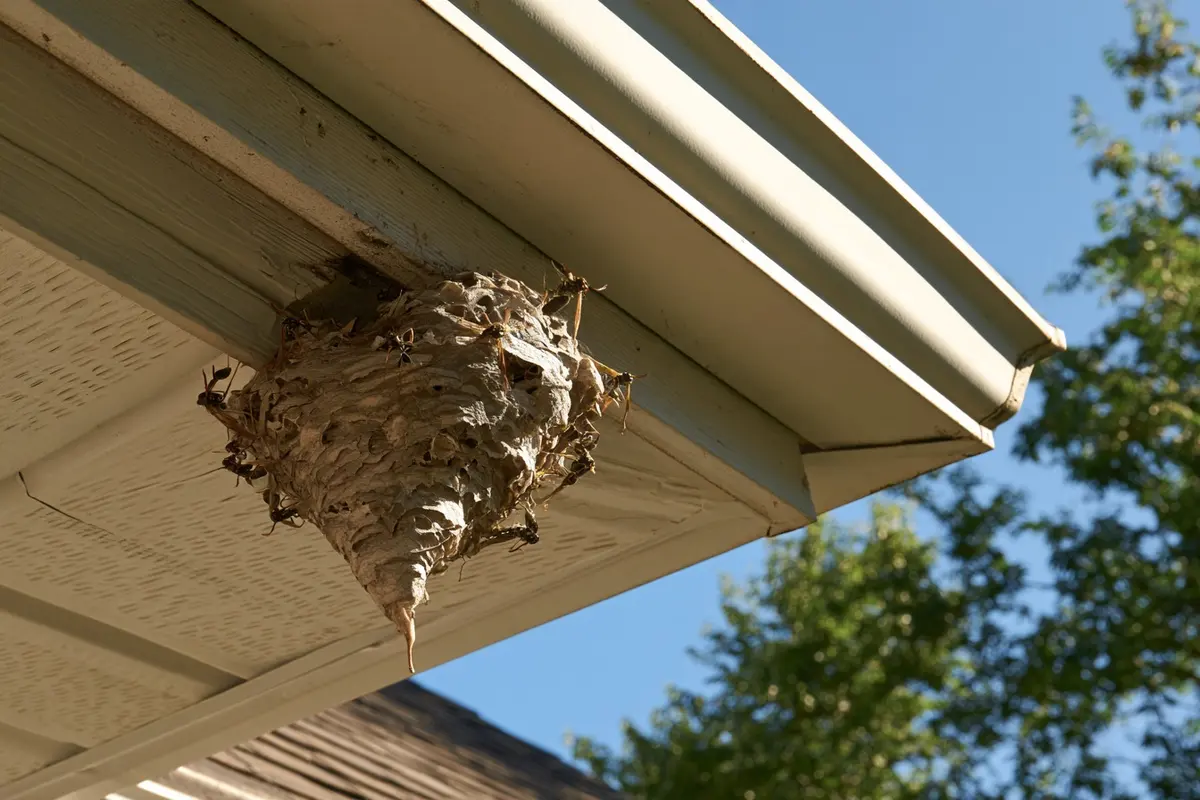
Keep people and pets away from it, and do not plug the hole or knock the nest down yourself. IDPH says 50 to 100 people die each year from bee and wasp stings (IDPH, bees and wasps). If someone is stung and has trouble breathing or swelling away from the sting, call 911 before you call anyone else. Removal of a wasp, hornet or yellowjacket nest runs $300 to $700 per nest by national guides. A cluster of honey bees on a branch is different: it is a swarm in transit, and a beekeeper is the right call. See bees vs wasps, who to call.

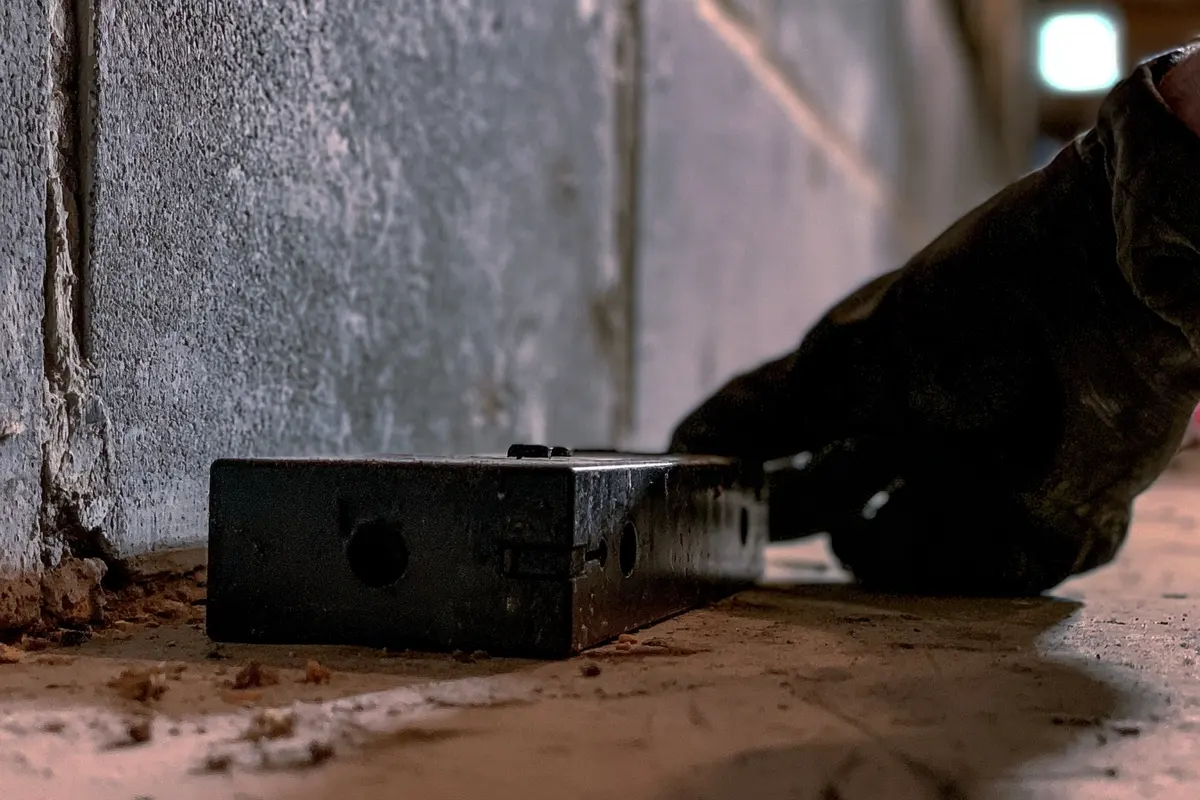
Rats inside the house

A Norway rat is 13 to 18 inches including the tail long and can get in through any opening larger than 1/2 inch (IDPH, rats). Inside, rodents consume and contaminate food with fur, urine and feces, so put food in sealed containers and keep children and pets out of the room until traps or bait stations are set where they cannot reach them. Rat extermination runs $150 to $600. If you are cleaning up droppings, IDPH says detergents and diluted household bleach destroy hantavirus on surfaces; read mouse droppings cleanup and hantavirus before you sweep anything up.

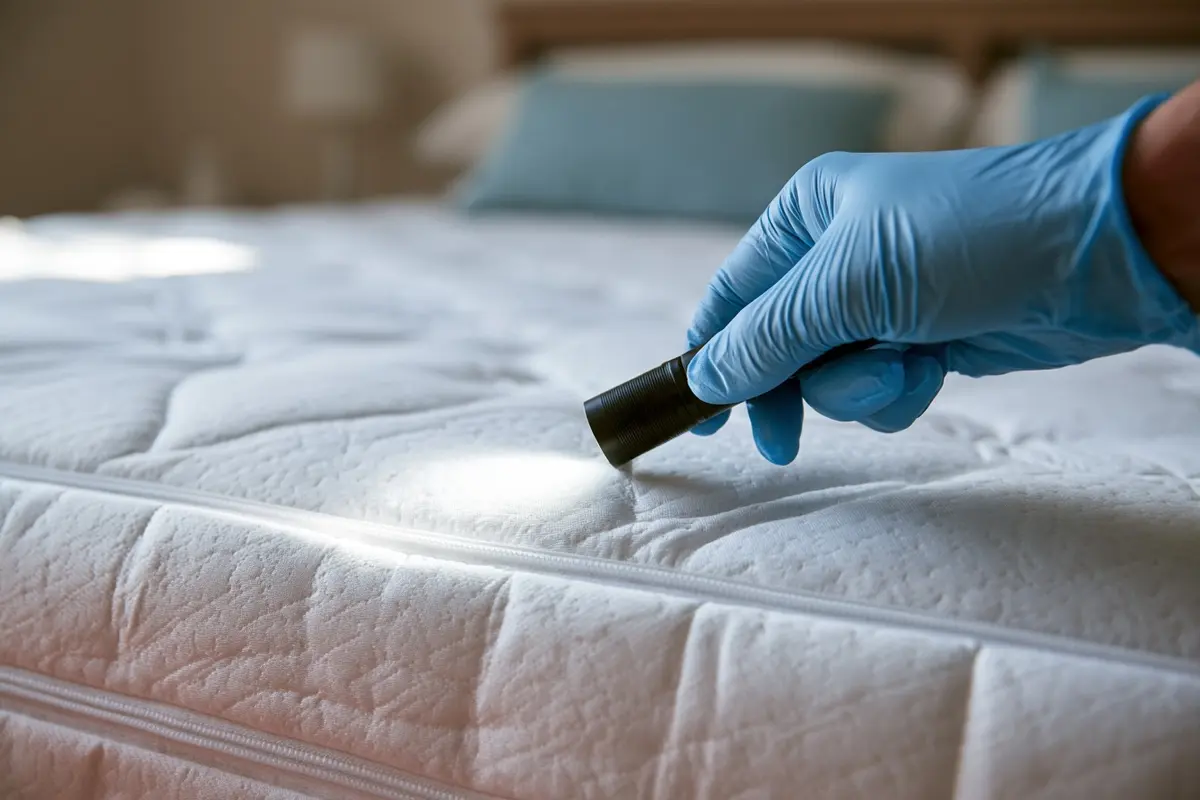
You just found bed bugs

Do not set off a bug bomb. IDPH says aerosol bombs and foggers do not reach hidden bed bugs, can be a fire or explosion hazard, and are not recommended. Leave the mattress where it is; moving to the couch can carry them to a new room. Bag the bedding, run it through a hot dryer, and call. In an apartment, tell the landlord in writing, because IDPH says in apartment buildings, untreated infestations spread between units, making them harder and costlier to remove. See bed bug treatment and bed bugs in a Rockford rental.

What an urgent call costs

None of the national guides we use price an after-hours pest call on its own, so we will not guess at a surcharge here. You hear the price before anyone comes out. Every typical range is on the exterminator cost page.

Pest control services around Rockford

Pick the pest. Each card shows a typical price from national cost guides, so you know the range before you call. Your own price comes back before anything is booked.

How it works

  1. 01

    Tell us what you're seeing

    Call, text or send the form with the town, what you found and where. A phone photo of the bug, the droppings, the nest or the damage often tells us the pest before anyone drives over.

  2. 02

    Get the price first

    A licensed exterminator replies with what the job should cost and what it includes, from one visit to a seasonal plan. Nothing is booked until you say yes.

  3. 03

    Treat, then follow up

    A certified technician inspects, treats with EPA-registered products to the label, shows you the gaps to seal, and comes back when the pest calls for it. Bed bugs, by IDPH's own guidance, take follow-up visits.

The full walk-through is on how a pest control job goes.

What's bugging you? Start with what you see

Most calls start with a sign, not a name. Match what you found to the likely pest, see what that job typically costs, and read the page for it. A photo by text settles the rest.

Sources (11)
  1. Illinois Department of Public Health, rats
  2. University of Illinois Extension, Ask Extension, termite nests and control
  3. Illinois Department of Public Health, ants
  4. Illinois Extension, yellow jackets and hornets
  5. Illinois Extension, fall house guests (Good Growing)
  6. HomeGuide, rodent removal cost
  7. Angi, termite inspection cost
  8. Angi, bed bug extermination cost
  9. Angi, pest control service cost
  10. HomeGuide, wasp and hornet nest removal cost
  11. Profindr, stink bug exterminator cost (SECONDARY, not a national cost guide; the only fall invader price found)

Droppings, a nest or bites? Get a price.

Send the form with the town and what you found, or call or text a photo. A licensed exterminator replies with your price before any treatment.

Twelve months, sourced

The Rockford pest calendar

When each pest is active, Rockford

NWS Chicago, IDPH, Illinois Extension, Winnebago County Health Department

  1. 00Frost-free seasonNormal last spring freeze April 27, first fall freeze October 13 (NWS, 1991-2020).
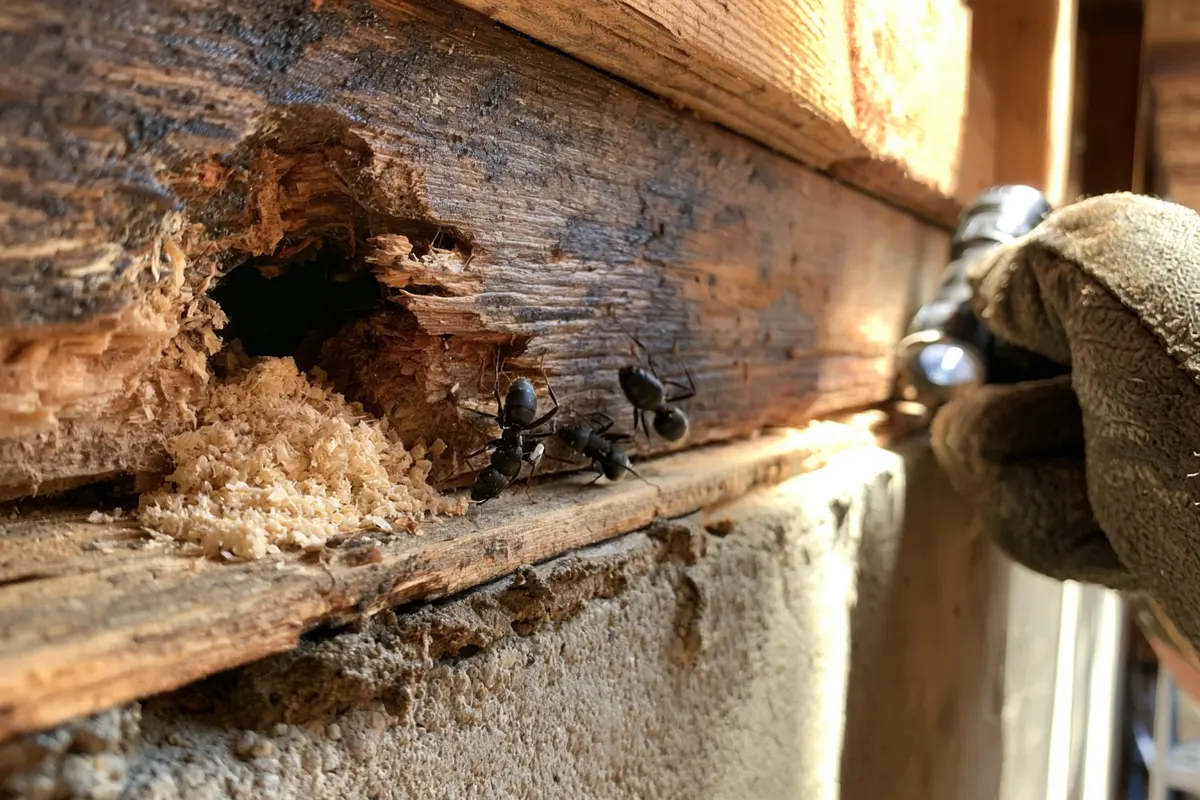
  2. 01Carpenter antsActive spring (March-April) through early fall (September-October) (IDPH).
  3. 02TicksAmerican dog tick adults April through June, inactive by September; lone star ticks April through the end of July; deer ticks: larvae and nymphs in spring and early summer; adults may be active in spring and fall. Any of them can be out on winter days at ground temperatures about 45°F (IDPH).
  4. 03West Nile in mosquitoesMay 9, 2025: the first West Nile positive mosquito pool in Illinois that year, collected in Rockford. By June 18, 2025, Winnebago County was on IDPH's list of counties reporting West Nile.
  5. 04Wasps and beesHoney bee swarms in spring, usually gone within two to four days. Yellowjacket numbers peak in late summer (IDPH).
  6. 05Fall invadersBoxelder bugs, Asian lady beetles, cluster flies and crickets come in during fall (IDPH, Illinois Extension). Brown marmorated stink bugs look for winter shelter indoors (Illinois Extension).
  7. 06German cockroachesThey cannot survive the winter outdoors here, so an infestation is an indoor one, any month (IDPH).
  8. 07Bat eviction windowsMarch 15 to May 15 and August 5 to October 30, when it is above 50°F at dusk. Bats are protected; this is wildlife work, not ours (IDPH).
  9. 08TermitesNo primary source gives swarm months for Winnebago County, so we do not draw them. Winged termites in any month mean book an inspection.
  10. 09MiceNo source gives Rockford a mouse season. IDPH says seal any opening larger than 1/4 inch; the freeze line is a sensible deadline.
April 27
Normal last spring freeze in Rockford
Latest on record May 27, 1992
October 13
Normal first fall freeze
Earliest September 13, 1975
41
Lyme disease cases, Winnebago County, 2024
6 anaplasmosis, 5 spotted fever
May 9
First West Nile mosquito pool in Illinois, 2025, in Rockford
4 human West Nile cases in the county in 2024

Winter is not a tick holiday. IDPH says ticks can be active on winter days at ground temperatures about 45°F, and a University of Illinois study found tickborne diseases were reported every month of the year and in every Illinois county.

Late summer is yellowjacket season. As their insect food declines, IDPH says they scavenge hard around trash cans and picnics.

The freeze is a deadline. No source gives Rockford a mouse season, but sealing openings over 1/4 inch before October 13 beats trapping after it.

NWS Chicago 1991-2020 normals, IDPH pest and disease pages, Illinois Extension, Winnebago County Health Department 2024 report.

Updated

What an exterminator costs in Rockford

Short answer

Common Rockford pest jobs

From national cost guides; the date of each is on the cost page. A bigger house, a heavier infestation or a pest that needs follow-up visits pushes a job toward the top of its range.

JobTypical costSource
General pest control, one-time visit$108 to $261per visitHomeAdvisor
Quarterly pest plan, per visit$100 to $300per visitBob Vila
Mouse extermination$150 to $550HomeGuide
Rat extermination$150 to $600HomeGuide
Termite inspection$75 to $325per inspectionAngi
Bed bug treatment, whole home$1,000 to $4,000per homeAngi
Cockroach extermination$100 to $600Angi
Wasp, hornet or yellowjacket nest removal$300 to $700per nestHomeGuide
Sources (11)
  1. HomeAdvisor, hire an insect control service
  2. Angi, pest control service cost
  3. Bob Vila, pest control cost
  4. HomeGuide, exterminator cost
  5. HomeGuide, rodent removal cost
  6. Angi, termite inspection cost
  7. HomeGuide, termite inspection cost
  8. Angi, bed bug extermination cost
  9. HomeGuide, pest control prices
  10. HomeGuide, wasp and hornet nest removal cost
  11. Angi, wasp removal cost

Every price, plans included

The cost page has every typical range on this site: one-time visits against quarterly and monthly plans, the termite table from inspection to bait monitoring, bed bug heat against chemical, and the rough range for fall invaders, each with its source.

See every pest control price

Every pest we treat, and what's different in Rockford

A mouse is a mouse anywhere. What changes here is a housing stock with a median build year of 1965, a frost-free season that ends around October 13, a county that recorded 41 Lyme disease cases in 2024, and a city code that says infested buildings get a professional exterminator.

Mouse and Rat Control in Rockford

Typical: $150 to $550 (HomeGuide)

More on mouse and rat control

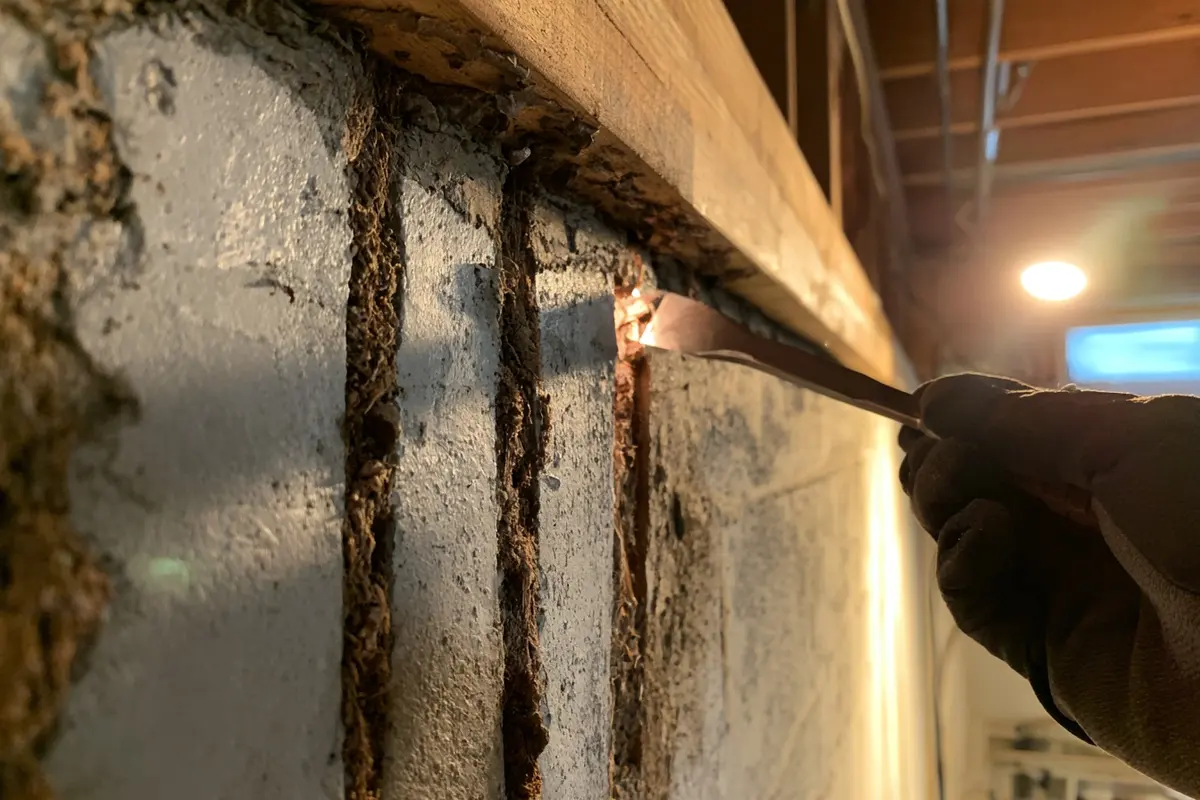
Termite Treatment in Rockford

Typical: $75 to $325 per inspection (Angi)

More on termite treatment

Bed Bug Treatment in Rockford

Typical: $1,000 to $4,000 per home (Angi)

More on bed bug treatment

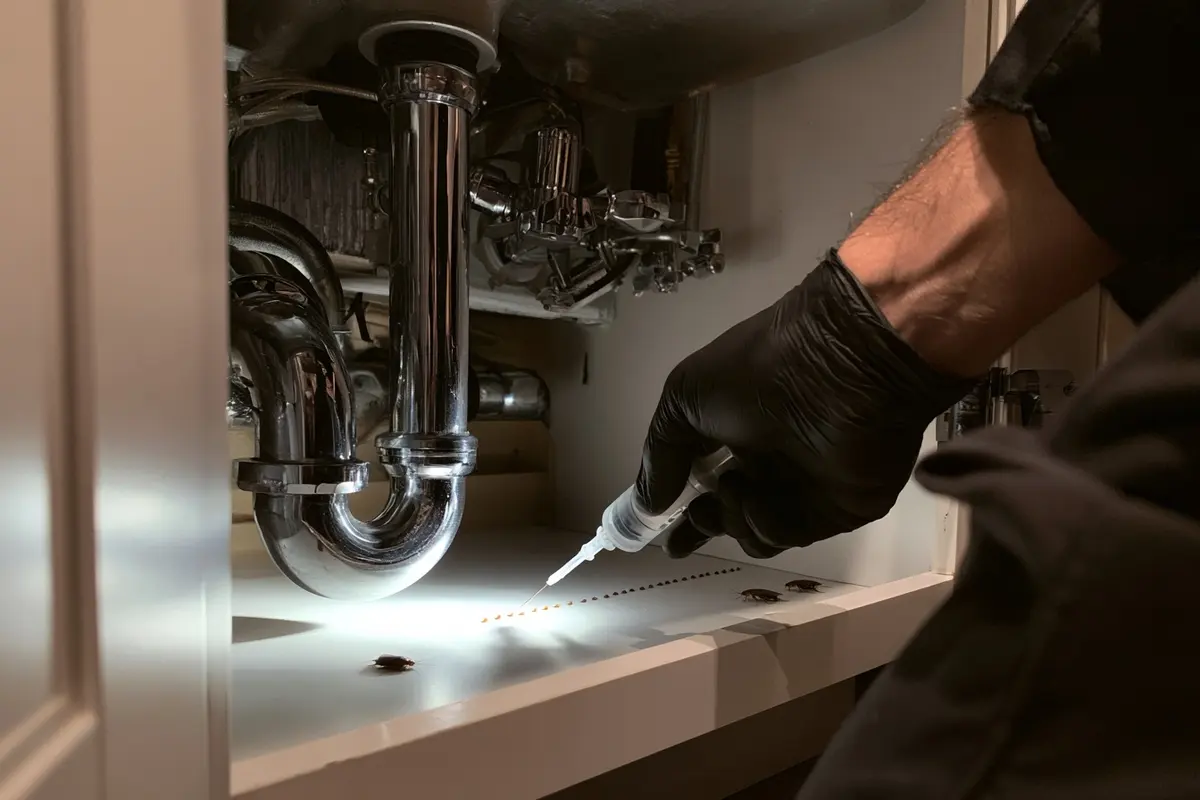
Cockroach Control in Rockford

Typical: $100 to $600 (Angi)

More on cockroach control

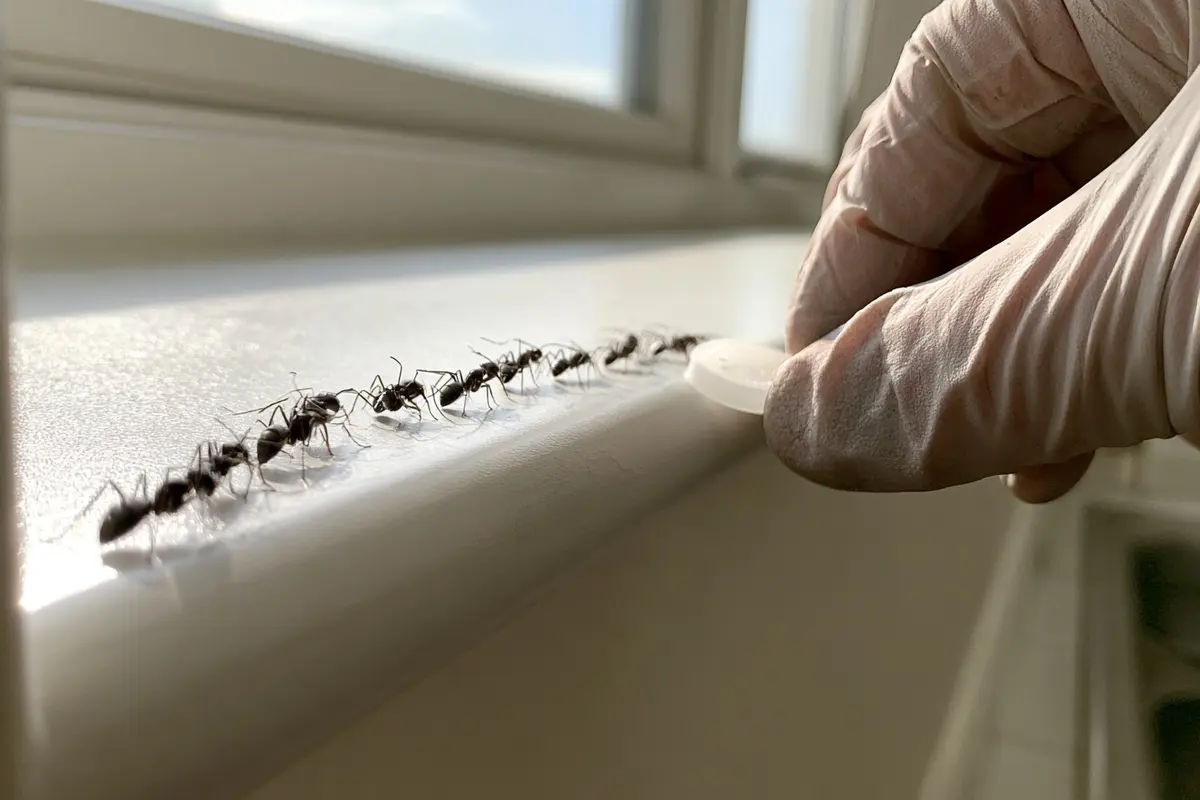
Ant Control in Rockford

Typical: $100 to $500 (Angi)

More on ant control

Wasp Nest Removal in Rockford

Typical: $300 to $700 per nest (HomeGuide)

More on wasp nest removal

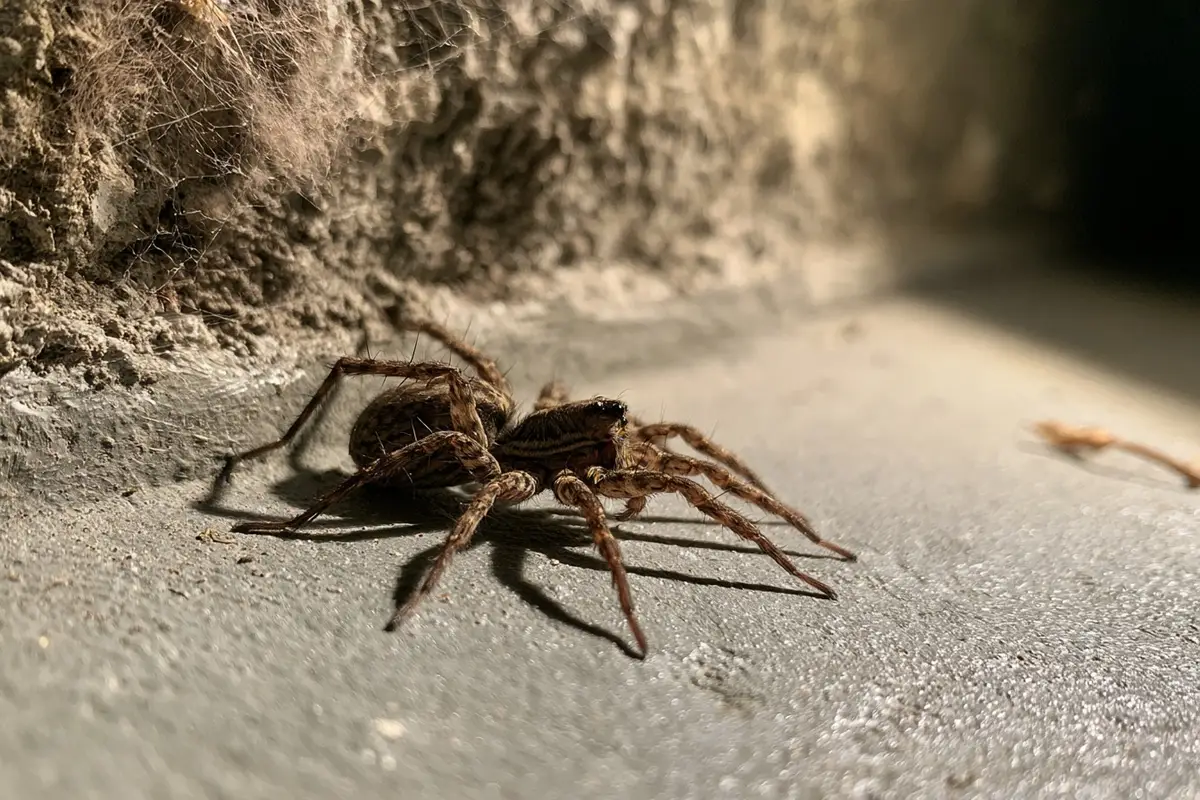
Spider Control in Rockford

Typical: $100 to $500 (Angi)

More on spider control

Boxelder Bug and Fall Invader Control in Rockford

Rough range: $150 to $600 per treatment (Profindr)

More on boxelder bug and fall invader control

Mosquito and Tick Control in Rockford

Typical: $350 to $1,000 per season (HomeGuide)

More on mosquito and tick control
Sources (18)
  1. Illinois Department of Public Health, house mouse prevention and control
  2. Illinois Department of Public Health, rats
  3. University of Illinois, Home, Yard and Garden Pest Newsletter, termites
  4. University of Illinois Extension, Ask Extension, termite nests and control
  5. University of Illinois School IPM, subterranean termites
  6. Illinois Department of Public Health, bed bugs
  7. Illinois Department of Public Health, cockroaches
  8. Illinois Department of Public Health, ants
  9. Illinois Department of Public Health, carpenter ants
  10. Illinois Department of Public Health, bees and wasps
  11. Illinois Extension, yellow jackets and hornets
  12. Illinois Department of Public Health, spiders
  13. Illinois DNR, Wild About Spiders, brown recluse
  14. Illinois Department of Public Health, occasional invaders
  15. Illinois Extension, fall house guests (Good Growing)
  16. Winnebago County Health Department, 2024 vector surveillance report
  17. Illinois Department of Public Health news release, first West Nile positive mosquito pool of 2025
  18. University of Illinois Extension, barrier mosquitocide lawn marker and notice law

Pest control rules in Illinois and Rockford: licenses, landlords and wildlife

Pest work around Rockford answers to the state for who may do it, to the city for what a building has to be, and to the Illinois Department of Natural Resources for bats, raccoons and other wildlife. Here is what each one says.

Who may do pest control for pay

The Illinois Structural Pest Control Act (225 ILCS 235) is enforced by the Illinois Department of Public Health (IDPH). It is unlawful to run a commercial structural pest control business in Illinois without an IDPH license, and the Act requires a separate license for each business location (225 ILCS 235). It also says a business needs at least one certified technician at each location, and non-certified workers work under that technician's supervision. IDPH counts about 750 licensed structural pest control business locations in the state (IDPH).

Each licensed business carries public liability insurance of at least $100,000 per person and $300,000 per occurrence for personal injury, plus $50,000 per occurrence for property damage, in effect at all times during the license year. Business licenses expire every year on December 31 (IDPH FAQ), and a technician's certification runs 3 years, expiring December 31 of the third year. Breaking the Act is a Class A misdemeanor, fine up to $2,500, each day a separate offense, and IDPH may suspend or revoke a license for fraudulent advertising or false claims about methods or materials.

To check a company, the IDPH FAQ points homeowners to its IDPH Pest Control Business Search. Our exterminator license check guide walks through what to ask for.

What Rockford requires of a building

Rockford's Property Standards are plain about it: "All structures shall be kept free from insect and rodent infestation." And: "All structures found to be infested shall be promptly and properly exterminated by professional exterminators." After that, "After extermination, proper precautions shall be taken to prevent re-infestation of the structure by both the owner and the occupant" (City of Rockford, Property Standards). The same page says garbage goes in an approved container that is leakproof, covered and kept outside, and the city notes that holes, cracks and decay in foundation walls often give rodents and other pests a way inside. The city enforces the 2021 International Property Maintenance Code, amended by Ordinance 2024-171-O, effective November 1, 2024 (Ordinance 2024-171-O).

Rentals, landlords and tenants

Rockford requires every owner to register each residential rental property with the city (rental registry ordinance). Complaints and questions about the property ordinances go to Neighborhood Standards at 425 East State Street, Rockford, IL 61104, 779-348-7160 (Neighborhood Standards). The state will not referee it: IDPH's pest control program has no authority over landlords; tenants are sent to the local health department, city hall or building code division (IDPH FAQ).

On who pays for bed bugs, the Rockford page is silent. Illinois Legal Aid says landlords must keep buildings safe and sealed against pests and deal with problems, including bed bugs, right away, and must pay for bed bug removal unless they can prove the tenant brought them in (Illinois Legal Aid Online). That is a statewide legal guide, not a Rockford ordinance, and we found no Rockford rule specific to bed bugs. See bed bugs in a Rockford rental.

Bats, raccoons and other wildlife

Bats, raccoons, squirrels, skunks and opossums are wildlife work, and we refer those calls out. In Illinois, an IDNR Nuisance Wildlife Control Permit is required to provide wildlife control for a fee (520 ILCS 5/2.37), and Class A nuisance wildlife control operators are licensed by IDNR and may remove bats, raccoons, squirrels, skunks and opossums (Wildlife Illinois). Bats are their own case. All Illinois bats are protected under the Wildlife Code (520 ILCS 5/1.1), and IDPH says a colony in an attic may be permanently evicted only March 15 to May 15 and August 5 to October 30, when it is above 50°F at dusk (IDPH, bat exclusion). See bats and wildlife: who to call.

Bees, and mosquito spraying in your yard

Beekeepers must register honeybee colonies with the Illinois Department of Agriculture (Illinois Department of Agriculture), and a registered beekeeper is the right call for a honey bee swarm. For yards, commercial applicators who apply a barrier mosquito treatment must place a 4 by 5 inch white lawn marker at a usual point of entry, and a neighbor whose property abuts or is adjacent to a client may request prior notice of a barrier mosquitocide treatment (University of Illinois Extension).

Illinois rules on every job

  • A license for the business. It is unlawful to run a commercial structural pest control business in Illinois without an IDPH license (225 ILCS 235).
  • A certified technician. At least one at each location; others work under that technician's supervision.
  • Insurance in force. $100,000 per person, $300,000 per occurrence and $50,000 per occurrence property damage. It is fair to ask for proof.
  • Products to the label. EPA-registered, applied as the label directs. A barrier termite job done wrong can reach a well: the EPA says improper barrier treatments can contaminate the home and nearby drinking water wells, so hire a licensed, trained pest professional (EPA).
  • Schools and day cares. They must give parents 2 business days notice before a pesticide application, unless there is an imminent threat.

Commercial pest control in Rockford: restaurants, apartments and offices

Businesses get the same licensed technicians and a little more paperwork. Rockford's Property Standards apply to every structure, commercial or not, so an infested building has to be "promptly and properly exterminated by professional exterminators," and garbage has to sit in covered, leakproof containers outside (City of Rockford).

Restaurants and food service

In a kitchen the roach to expect is the German cockroach, by far the most common roach in kitchens by IDPH's account. It lives indoors, rides in on boxes and belongings, and spends about 75 percent of their lives hidden, so a kitchen gets treated in the voids behind equipment and under counters, on a schedule (IDPH, cockroaches). Mice and rats are the other worry, because rodents consume and contaminate food with fur, urine and feces (IDPH).

Apartments and rental buildings

IDPH says in apartment buildings, untreated infestations spread between units, making them harder and costlier to remove, and that bed bugs can survive more than a year without feeding, so an empty unit can stay infested (IDPH, bed bugs). In a building, the units around the one that called get inspected too. German roaches spread person to person and on belongings, so a building is treated as a whole. Rockford requires every owner to register each residential rental property with the city.

Offices, schools and day cares

Illinois requires schools and early care and education centers to run an integrated pest management program when economically feasible, and to give parents 2 business days notice before a pesticide application unless there is an imminent threat (225 ILCS 235). IDPH describes that program as cooperation between school staff and pest control personnel (IDPH, IPM). Offices get the same pests as houses: ants, mice and the fall invaders that gather on warm, sunny walls.

What we do for businesses

No national guide we trust prices commercial contracts, so we will not put a number here. Tell us the building, the business and what you are seeing, and we will price it the same way we price a house.

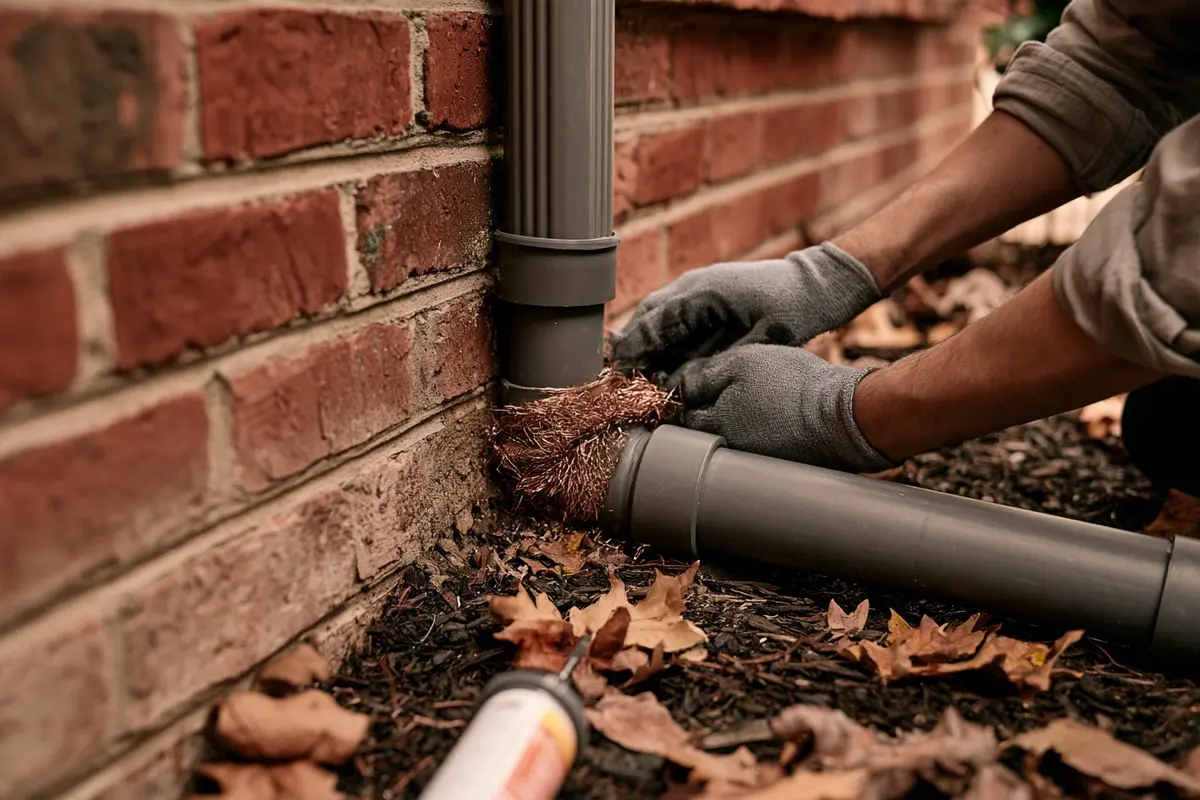
Gloved hands pack copper mesh into a gap around a pipe where it enters a brick wall, a caulk tube in the mulch

Rockford housing age by the numbers, and why old houses let pests in

Rockford's median home was built in 1965. Of its 64,380 housing units, 20.1% (12,950 homes) went up in 1939 or earlier and about 42.5% before 1960 (Census ACS 2024). Across Winnebago County the median is 1972, with 13.3% of 125,011 homes built before 1940.

Age does not bring bugs by itself. What it brings is joints: foundations that have settled, sills and window frames that have dried and shrunk, and decades of cables and lines pushed through the walls. The city's own Property Standards page notes that holes, cracks and decay in foundation walls often give rodents and other pests a way inside. A mouse needs only slightly more than 1/4 inch, so an old house can have dozens of doors you never see. That is why our rodent work ends with sealing, and why we look at the outside of the house before the inside.

The house, not just the bug

Some pests pick houses by their shape. Illinois Extension says boxelder bugs favor buildings with large southern or western exposures, because they are warmer, and IDPH says multi-story homes and homes on hills near wooded areas are likely to be invaded in fall. A tall old house with a south wall in full sun is the classic fall call. More in mice in the house in fall and boxelder bug control.

PlaceHousing unitsMedian year builtBuilt before 1960Owner-occupied
Rockford67,423196347%55%
Loves Park10,675198620%61%
Belvidere9,994197633%71%
Machesney Park9,118197823%80%
Roscoe4,31220013%71%
South Beloit3,559199123%69%
Rockton3,063199615%81%
Byron1,545198728%71%
Winnebago County125,002197135%66%

Table: Census ACS 2024 5-year estimates (2020-2024) via Census Reporter. The figures in the text are ACS 2024 1-year estimates, so the two can differ by a year or a few points.

Sources (5)
  1. U.S. Census Bureau, ACS 2024 1-year, tables B25034 and B25035 (via Census Reporter)
  2. City of Rockford, Property Standards
  3. Illinois Department of Public Health, house mouse prevention and control
  4. Illinois Extension, fall house guests (Good Growing)
  5. Illinois Department of Public Health, occasional invaders

Where we work

Rockford and 11 cities and villages around it. Each town page covers that town's own property code, its mosquito program (some spray, some stopped) and its housing age, because they change from one town line to the next.

The side-by-side table is on the service area page.

Pest control questions from Rockford homeowners

How much does an exterminator cost in Rockford?

Local companies do not publish price lists, so the honest guide is national cost data: $108 to $261 per visit for a one-time general pest visit, $150 to $550 for mouse extermination, $75 to $325 per inspection for a termite inspection and $1,000 to $4,000 per home for whole-home bed bug treatment. Every range, with its source, is on the exterminator cost page.

Is an exterminator worth it for roaches?

For German cockroaches it usually is. IDPH says the German roach cannot survive temperate winters outdoors, so infestations are indoor and spread person to person or on items, and that they spend about 75 percent of their lives in hiding, which is why store spray on the ones you see rarely ends it. Treatment runs $100 to $600 by national guides. See the cockroach exterminator page.

Is quarterly pest control better than a one-time treatment?

It depends on the pest. A one-time visit runs $108 to $261 per visit and fits a single problem like a wasp nest or a burst of ants. A quarterly plan costs $150 to $300 per initial visit to start and $100 to $300 per visit after that, about $300 to $900 per year for ongoing service by national guides, and suits pests that come back each season. See is quarterly pest control worth it.

Is $45 a month for pest control a good price?

It sits inside the typical range. National guides put a monthly plan at $40 to $70 per visit, so $45 is toward the low end. Ask what a visit includes (inside, outside or both), whether re-treatments between visits are covered, and whether termites and bed bugs are in it; every guide we use prices those two separately. The full plan pricing is on the cost page.

What is the hardest pest to get rid of?

Bed bugs. The Illinois Department of Public Health says pest professionals agree bed bugs are now the most difficult structural pest to control. They can live more than a year without a meal, and some bed bugs are resistant to pyrethroid pesticides, the kind sold at retail stores. See bed bug treatment and bed bug heat vs chemical treatment.

Does an exterminator need a license in Illinois?

Under the Illinois Structural Pest Control Act (225 ILCS 235), it is unlawful to run a commercial structural pest control business in Illinois without an IDPH license, and a business needs at least one certified technician at each location, and non-certified workers work under that technician's supervision. Licensed businesses carry liability insurance of at least $100,000 per person and $300,000 per occurrence for injury. See how to check an exterminator license in Illinois.

How do mice get into a house?

Through smaller gaps than most people expect. IDPH says a house mouse can slip through slightly more than 1/4 inch, a crack a pencil fits into, and says to seal any opening larger than 1/4 inch. Norway rats need 1/2 inch. See mice in the house in fall and rodent control.

Do I need a termite inspection to sell a house in Illinois?

We found no Illinois law that requires one at every sale. FHA loans are different: for existing properties the FHA lender must confirm the property is free of wood destroying insects and organisms, and the NPMA-33 Wood Destroying Insect Inspection Report is the document. A clearance letter runs $100 to $200 per letter by national guides. See termite inspection for a home sale.

Who pays for bed bug treatment in a Rockford rental?

Rockford's Property Standards say infested structures must be exterminated by professional exterminators and that both the owner and the occupant must take precautions afterward, but the city page does not say who pays. Illinois Legal Aid says landlords must keep buildings safe and sealed against pests and deal with problems, including bed bugs, right away, and must pay for bed bug removal unless they can prove the tenant brought them in; that is a statewide legal-aid guide, not a Rockford ordinance. See bed bugs in a Rockford rental.

Do bug bombs work on bed bugs?

IDPH says aerosol bombs and foggers do not reach hidden bed bugs, can be a fire or explosion hazard, and are not recommended. They also scatter the bugs deeper into walls and furniture, which makes the real treatment harder. See bed bug treatment.

More answers on the pest control questions page.

Get a price from Rockford Bug Guys

Tell us the town and what you are seeing. A licensed exterminator replies with a price, and nothing is scheduled until you agree to it.