
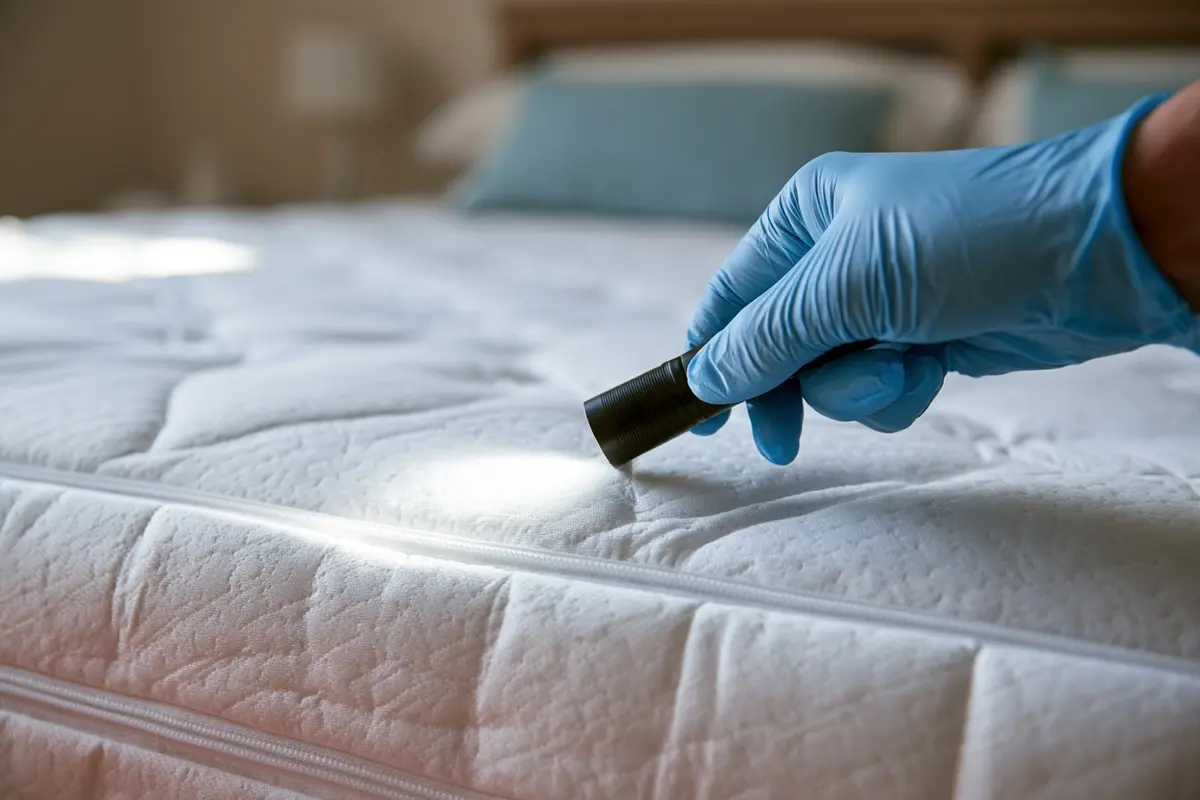
Bed Bug Treatment in Rockford, IL
Get a free quote
A licensed exterminator replies with a price. Nothing is booked until you say yes.
Updated
Short answer
IDPH says pest professionals agree bed bugs are now the most difficult structural pest to control, and that bed bugs apparently do not transmit diseases to people (IDPH, bed bugs). CDC agrees that bed bugs are not known to spread disease, and says the harm is itching, lost sleep and rare allergic reactions (CDC, bed bugs). CDC also says cleanliness does not decide whether a place has them. The itching and the lost sleep are real even without disease. That is why we start with a proper inspection and a written plan, not a spray.
The work is done under an Illinois Department of Public Health (IDPH) structural pest control license by a certified technician (IDPH), with EPA-registered products applied according to the label. Rockford Bug Guys explains the plan in writing before we start, including the prep, since the prep decides how well it works.
What bed bug treatment costs in Rockford
These are typical U.S. ranges from national cost guides, not Rockford quotes. Home size, the number of rooms affected and the method set the price. Send a description through the quote page, and the pest control cost page has our other prices.
| Job | Typical cost | Source |
|---|---|---|
| Whole-home bed bug treatment | $1,000 to $4,000 per home | Angi |
| Whole home, older guide | $2,500 to $5,000 | HomeGuide |
| Chemical treatment, per room | $270 to $775 per room | Angi |
| Heat treatment | $1 to $3 per square foot | Angi |
| Sniffing dog (K9) inspection | $300 to $600 per inspection | Angi |
The low end is one room caught early. The high end is a whole house, an apartment with neighbors who also have them, or an infestation that has spread to several bedrooms and living areas. We do not price a visual inspection on a web page. Ask what the quote includes: the number of visits, the follow-ups and whether prep help is part of it.
Heat treatment: the temperatures and the hold times
EPA says bed bugs die when their bodies reach 113 degrees F, so the room has to run hotter than that to get heat into the walls and furniture (EPA, top ten tips). The sources then give different working numbers, and we show both instead of picking one.
| Source | Heat target | Hold time |
|---|---|---|
| University of Minnesota Extension (professionals using heat) | 118 degrees F in the target areas | At least 70 minutes |
| U.S. EPA (to make sure eggs die) | At least 120 degrees F | 90 minutes, with less time at a higher temperature |
| IDPH (whole-home heat treatment) | 140 to 150°F | Higher can damage furnishings |
Sources: UMN Extension, EPA, IPM and IDPH. We do not quote one magic room temperature, because the sources differ. UMN also notes that heat kills what is there and does not stop a new infestation from arriving later (UMN). Professionals bring equipment and insecticides that are not sold to consumers, and inspect carefully, which is the other half of why heat is not a do-it-yourself job.
Heat or chemical: how to choose
Both work when they are done right and prepared for. IDPH says whole-home heat treatment runs at 140 to 150°F, that higher can damage furnishings, and that perhaps 10 to 20 percent of heat treatments fail to kill every bed bug, often because the home was not prepared (IDPH, bed bugs). It also notes that some bed bugs are resistant to pyrethroid pesticides, the kind sold at retail stores.
| Heat treatment | Chemical treatment | |
|---|---|---|
| How it works | The space is heated until the bed bugs in it die from the temperature | Labeled products applied to cracks, seams, beds and furniture where bed bugs hide |
| Visits | Often one main visit, plus a check | Several visits, since follow-ups are part of the plan |
| Prep | Heat-sensitive items come out, clutter is cleared so the heat reaches the walls | Clutter and laundry prep, mattress and box spring encasements |
| Typical cost | $1 to $3 per square foot | $270 to $775 per room |
| Watch for | Damage to heat-sensitive items, failures where the home was not prepared | Resistant populations, missed hiding spots |
IDPH recommends follow-up treatments at about two-week intervals until residents see no bites or bed bugs for two consecutive months. Plan on that whatever the method. The heat vs chemical guide goes deeper on which one fits which house, and why one visit rarely ends it.
Why bug bombs and space heaters fail
IDPH says aerosol bombs and foggers do not reach hidden bed bugs, can be a fire or explosion hazard, and are not recommended. EPA says foggers only work on contact and the spray does not reach the cracks where bed bugs hide, that they should not be the only method, and that misuse can cause fire or harm (EPA, foggers and EPA, do-it-yourself). The same IDPH page says some bed bugs are resistant to pyrethroid pesticides, the kind sold at retail stores.
Heat is the other do-it-yourself idea, and EPA says turning up the thermostat or running space heaters does not work and is dangerous (EPA, do-it-yourself). The numbers in the table above belong to professional equipment. Penn State Extension adds that vacuuming alone does not work either, since eggs stay put and adults hide out of reach (Penn State Extension).
K9 inspection and why a clean inspection is not final
A trained dog can alert on a room that a human inspection misses, and one guide prices a K9 visit at $300 to $600 per inspection (Angi). IDPH is blunt about the limits of any inspection: not finding bed bugs does not mean none are present; even experienced inspectors can miss them. A dog or a visual inspection is a strong clue and no guarantee. Monitors placed on the bed and a second look a couple of weeks later are cheap ways to close that gap.
Bed bugs can also survive without a meal for more than a year, so an empty unit can stay infested (IDPH, bed bugs). Moving out and waiting does not solve it.
Prep that decides whether treatment works
| Task | Why it matters |
|---|---|
| Dry bedding, curtains and clothing on high heat for at least 30 minutes, then bag them in sealed plastic | EPA says washing alone may not do it, and sealed bags keep treated laundry clean |
| Clear cardboard boxes and clutter from under and around the bed, and bag trash before you carry it out | EPA says bugs hide in cardboard and clutter |
| Move the bed at least 6 inches from the wall and keep bedding off the floor | EPA lists this in its prep steps for treatment |
| Encase the mattress and box spring, and leave the covers on for a year | EPA says trapped bugs starve, and encasements remove hiding places |
| Put interceptor cups under the bed legs | EPA says they are used for at least a year for monitoring |
| Tell us about pets, babies and health conditions | We plan placement and re-entry around them |
Sources: EPA, preparing for treatment and EPA, top ten tips. Dryer numbers differ between sources. EPA says high heat for 30 minutes, UMN gives 122 degrees F for 20 minutes on medium-high, and Penn State says 131 degrees F or above is lethal to all stages (UMN, laundry and Penn State Extension). We tell you to use the high setting for at least 30 minutes, the EPA figure. A cold wash and a low-heat dry may not kill them.
We give you a written prep list for your method before the visit. IDPH says heat treatments often fail because the home was not prepared, which is why we go through it with you rather than leave it to the website.
Why bed bug treatment takes more than one visit
NPIC says eggs hatch in 6 to 10 days, which is why monitoring and follow-up matter (NPIC). UMN says nymphs molt five times and a population has several generations a year (UMN), and IDPH says a female lays 3 to 5 eggs a day in hiding spots. NPIC also says one pregnant female can start an infestation, while a lone male or nymph cannot. EPA says to check every few days after treatment, and that new bugs mean missed ones or hatched eggs and a retreatment (EPA, do-it-yourself). IDPH's follow-up plan is the one above, about every two weeks until two clean months. We could not find a source for how many professional visits a typical job takes, so we do not promise a number. The quote says what is included.
Bed bugs in apartments and rentals
IDPH says in apartment buildings, untreated infestations spread between units, making them harder and costlier to remove. If you rent, tell your landlord in writing as soon as you find them. Illinois Legal Aid says landlords must keep buildings safe and sealed against pests and deal with problems, including bed bugs, right away, and must pay for bed bug removal unless they can prove the tenant brought them in (Illinois Legal Aid, rental pests and basics). That is a legal-aid summary for the whole state, not Rockford law. The bed bugs in Rockford rentals guide covers what the city's Property Standards say and what they leave unsaid. We do not tell you who pays, because we cannot verify it for your lease.
What a bed bug visit looks like
| Step | What happens |
|---|---|
| Inspection | We check mattress seams, box springs, bed frames, headboards, nightstands, baseboards and outlets in the affected room and next to it |
| Plan | You get the method, the number of visits and the prep list in writing |
| Treatment | Heat for the whole space, or a chemical treatment applied according to the label |
| Follow-up | We return on IDPH's schedule until you see no bites or bugs for two consecutive months |
| Prevention | Encasements, monitors and travel habits that keep them from returning |
Two months with no bites or bugs is the finish line that IDPH sets, and the day of the first treatment is not. If you have also seen cockroaches, see the cockroach exterminator page, since the prep and the follow-up differ. For what a first visit includes, read the process page.
Signs of bed bugs
| What you notice | What it can mean | What to do |
|---|---|---|
| Itchy bites in a line or cluster after sleeping | Bed bugs, though other bites look the same | Do not guess. Have the bed inspected |
| Small dark spots on sheets, mattress seams or the headboard | Bed bug droppings | Photograph them and call |
| Rusty stains on the sheets | Bed bug stains. EPA lists rusty stains, dark dots, eggs and shed skins as the signs to look for | Dry the sheets on high heat and keep the bed in place |
| Shed skins in seams, folds and cracks | A growing population | Call before moving anything |
EPA says bites alone are a poor indicator, because they look like other bites and some people do not react to them at all (EPA, how to find bed bugs). The bug itself, a shed skin or a monitor catch is what confirms it. IDPH describes an adult as about 1/4 inch, flat and wingless, hiding by day, with tiny eggs and newly hatched nymphs about 1/16 inch that turn bright red after feeding. Keep any bug in a sealed jar or on clear tape so we can identify it.
CDC says bed bugs tend to stay within about 8 feet of where you sleep, but can travel more than 100 feet in a night (CDC, bed bugs). That is how a bedroom problem becomes a hallway or a neighbor problem.
What not to do when you find bed bugs
| Do not | Why |
|---|---|
| Set off bug bombs | IDPH says aerosol bombs and foggers do not reach hidden bed bugs, can be a fire or explosion hazard, and are not recommended |
| Move to another room or the couch to sleep | CDC says bugs can travel more than 100 feet in a night, so sleeping elsewhere can spread them |
| Spray store-bought products everywhere | IDPH says some bed bugs are resistant to pyrethroid pesticides, the kind sold at retail stores |
| Stay quiet in an apartment building | IDPH says in apartment buildings, untreated infestations spread between units, making them harder and costlier to remove |
Wash and dry what you can on high heat, keep the rest bagged and in place and call us. We tell you what to move and what to leave until the plan is set.
Questions to ask any bed bug company
Bed bug work costs enough that the questions matter. Is the company licensed by IDPH, and is a certified technician doing the work? Does the quote say heat or chemical, and why? How many visits and follow-ups are included? What prep do they expect, and do they check it before they start? What happens if bugs are still there at the follow-up? A company that cannot answer these is not ready to treat your bedroom. The license check guide shows how to confirm the license.
Traveling, used furniture and keeping them out
Check the seams of a hotel mattress before you unpack, keep bags off the bed and floor, and dry travel clothes on high heat when you get home. Look over any used bed frame, couch or headboard in good light before it comes inside. A mattress encasement and interceptor cups are cheap ways to catch a problem early, and early is the cheap end of the national price range. Since cleanliness does not decide who gets bed bugs (CDC), there is no reason to feel embarrassed about calling.
We treat bed bugs in Rockford and in Loves Park, Machesney Park, South Beloit and Belvidere.
Sources (17)
- CDC, About
- U.S. EPA, How Find Bed Bugs
- National Pesticide Information Center, Index
- University of Minnesota Extension, Bed Bugs
- U.S. EPA, Should I Use Fogger
- U.S. EPA, Do It Yourself Bed Bug Control
- U.S. EPA, Controlling Bed Bugs Using Integrated Pest Management Ipm
- U.S. EPA, Top Ten Tips Prevent Or Control Bed Bugs
- U.S. EPA, Preparing Treatment Against Bed Bugs
- University of Minnesota Extension, Bed Bugs
- Penn State Extension, Biology Habitat And Management Of Bed Bugs
- Angi, bed bug extermination cost
- HomeGuide, exterminator cost
- Illinois Department of Public Health, bed bugs
- Illinois Department of Public Health, Structural Pest Control
- Illinois Legal Aid Online, dealing with pests in rental housing
- Illinois Legal Aid Online, dealing with pests basics (statewide guide; city examples are not Rockford)
Where this is done
Bed Bug Treatment across Rockford and the cities and villages around it. Each town page covers that town's own housing age, property rules and mosquito program; the full list is on the service area page.
Ready for a price on bed bug treatment?
Call, text, or send the form. You get a price back before any work is scheduled.
Bed Bug Treatment: questions
How much does bed bug treatment cost in Rockford?
A national guide puts whole-home treatment at $1,000 to $4,000 per home, heat at $1 to $3 per square foot and chemical at $270 to $775 per room (Angi). Those are typical U.S. ranges, not a Rockford quote. See the pest control cost page.
Is heat or chemical better for bed bugs?
Both work when the home is prepared. IDPH says whole-home heat runs at 140 to 150°F and that perhaps 10 to 20 percent of heat treatments fail, often because of poor prep. See the heat vs chemical guide.
Can I use a bug bomb for bed bugs?
IDPH says aerosol bombs and foggers do not reach hidden bed bugs, can be a fire or explosion hazard, and are not recommended. Bed bugs hide where a fog does not reach.
How many visits does bed bug treatment take?
IDPH recommends follow-up treatments at about two-week intervals until residents see no bites or bed bugs for two consecutive months. Plan on more than one visit.
Why do space heaters and the thermostat not kill bed bugs?
EPA says turning up the thermostat or using space heaters does not work and is dangerous. Professional heat holds target areas at 118 degrees F for at least 70 minutes in UMN guidance, or at least 120 degrees F for 90 minutes in EPA guidance.
How should I wash and dry bedding for bed bugs?
EPA says to dry bedding and clothes on high heat for at least 30 minutes, since washing alone may not do it, then bag them in sealed plastic. Sources differ on exact dryer temperatures, so we use the EPA time.
Do bed bug mattress covers work?
EPA says to leave mattress and box spring encasements on for a year, because trapped bugs starve. They also remove hiding places. They do not replace treatment.
Do bed bugs spread diseases?
IDPH says bed bugs apparently do not transmit diseases to people. They bite, and the bites itch and can get irritated if scratched.
How long can bed bugs live without a person?
IDPH says they can survive without a meal for more than a year, so an empty unit can stay infested.
Who pays for bed bugs in a Rockford rental?
We cannot verify that. Illinois Legal Aid says landlords must keep buildings safe and sealed against pests and deal with problems, including bed bugs, right away, and must pay for bed bug removal unless they can prove the tenant brought them in, but that is a statewide guide and not Rockford law. See the Rockford rentals guide.
Does a dog inspection find every bed bug?
A K9 inspection runs $300 to $600 per inspection in one national guide and is a strong clue. IDPH says not finding bed bugs does not mean none are present; even experienced inspectors can miss them.
Other services
Bed Bug Treatment: get a written price
Tell us the pest, the town and where you are seeing it. A licensed exterminator replies with a price, and no work starts until you agree to it.
Prices and the full service list are on the homepage for a exterminator in Rockford.